
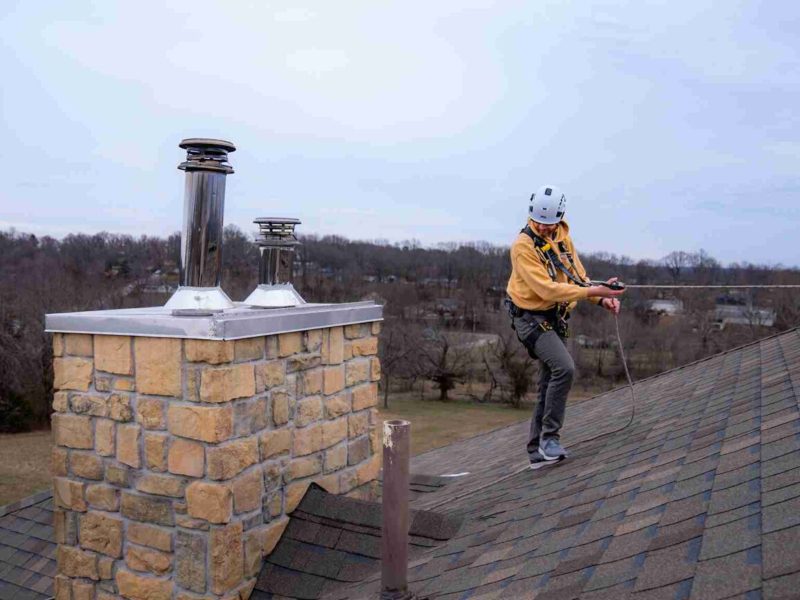
A fireplace can be one of the coziest features in your Springfield, Missouri, home. But behind the warmth and crackling fire is a chimney system that needs regular attention. If you can’t remember the last time your chimney was inspected, you’re not alone. Many homeowners assume that if the fireplace looks fine, everything must be fine.
Unfortunately, chimney problems aren’t always visible from the living room.
The good news is that regular professional inspections can help identify potential problems before they become expensive repairs or serious safety concerns. For homeowners in Springfield and throughout Southwest Missouri, SureGlow Stove and Chimney makes keeping your fireplace and chimney ready for the season easier.
For most homeowners, a professional chimney inspection at least once a year is a smart maintenance schedule. SureGlow recommends annual chimney sweeping and inspection, and NFPA guidance calls for chimneys, fireplaces, and vents to be inspected regularly for soundness and freedom from dangerous deposits.
An annual inspection allows a professional to look for conditions that may develop over the course of a year, including creosote buildup, obstructions, deterioration, and other issues that could affect safe operation.
Even if you don’t use your fireplace frequently, an annual inspection can still be worthwhile. Your chimney is exposed to weather throughout the year, and animals, moisture, masonry deterioration, and other problems can affect the system even when there is no fire burning.
Your chimney does more than carry smoke away from your home. It is part of a complete venting system designed to safely move combustion gases and byproducts outside.
During an inspection, a professional can look for problems such as:
Catching these problems early can give you more options for addressing them before they become larger, more expensive issues.
For example, a small masonry problem may be easier to address before repeated exposure to rain, temperature changes, and freezing conditions causes additional deterioration.
Annual inspections are a useful baseline, but certain situations call for an inspection outside your normal schedule.
If you have experienced a chimney fire, don’t simply assume that the chimney is safe because the fire went out. Heat can damage components that aren’t obvious from the fireplace opening. A professional inspection can help determine whether the system has sustained damage.
Missouri weather can be hard on exposed masonry and chimney components. Strong winds, heavy rain, ice, and temperature changes can contribute to cracks, leaks, or other damage.
If you notice new problems after a major storm, schedule an inspection rather than waiting for your annual appointment.
A fireplace may look beautiful during a home tour, but you don’t know what is happening inside the chimney. If you’re purchasing a home with an existing fireplace or wood-burning appliance, having the chimney professionally evaluated before using it can provide valuable information about its condition.
Installing or replacing a fireplace, stove, insert, or other connected appliance can change the requirements of the venting system. NFPA inspection provisions recognize changes in connected appliances as one circumstance in which inspection considerations may change.
Don’t wait for your annual appointment if something doesn’t seem right. Smoke entering the room, unusual odors, poor draft, visible damage, or unexplained changes in fireplace performance can all be reasons to have the system checked.
It’s easy to use “inspection” and “cleaning” interchangeably, but they serve different purposes.
Chimney cleaning focuses on removing soot, creosote, and other deposits or debris from the chimney. An inspection evaluates the condition and safety of the chimney and connected components.
Sometimes a chimney needs both.
SureGlow Stove and Chimney offers chimney cleaning and sweeping along with inspections, repairs, and other fireplace services. We also offer an annual service plan designed to help homeowners stay on a regular maintenance schedule.
Not every chimney inspection is identical. The appropriate inspection level depends on the circumstances and condition of the system.
A Level 1 inspection is generally associated with routine annual maintenance when the chimney and appliance remain unchanged, and no known problems exist. More extensive inspections may be appropriate when there are changes to the system, property ownership, suspected damage, or circumstances that cannot be adequately evaluated through a basic inspection. NFPA materials describe Level II inspections as including examination of accessible areas of chimney flues and internal liner surfaces, with video scanning or other means used as necessary.
A professional can help determine which inspection is appropriate for your home.
The best time to discover a chimney problem is before it becomes an emergency.
If your fireplace is part of your family’s winter routine, make chimney inspection part of your annual home-maintenance routine, too. A professional inspection can give you greater confidence that your fireplace and chimney are ready to do their job when you need them most.