
If you live in a home that was built without a fireplace, there are many practical reasons to install one in your home. Fireplaces are like individual works of art that not only add character to a living space all year long but provide much-needed warmth and comfort during the winter. Fireplaces have also improved considerably and are now more energy-efficient than ever before. There are energy-efficient wood, pellet, gas, and electric fireplaces. There are also zero-clearance and ventless fireplaces for living spaces that are too small for a traditional fireplace. With energy costs on the rise, a fireplace can reduce your home heating costs when you need it the most. Here are a few more reasons to install a fireplace in your home.
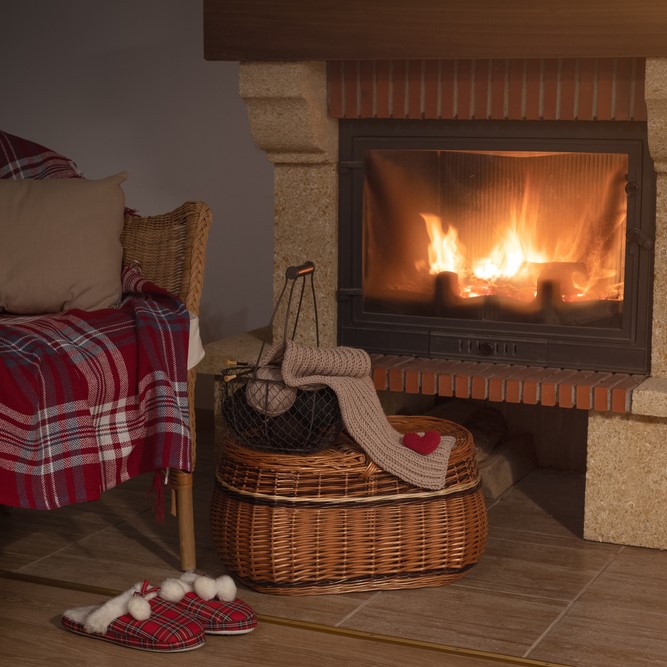
Fireplaces are a charming focal point of the room that naturally draws people into its warm and inviting atmosphere. They are available in a wide assortment of shapes, sizes, styles, and even colors, allowing homeowners to create the perfect ambiance in their home. Whether it’s a traditional wood-burning fireplace, modern gas or pellet fireplace, or a sleek electric fireplace, they are an architectural element that will add character to any living space.
According to a recent study, Kansas has the 23rd highest utility rates in the country. Installing an energy-efficient fireplace can reduce heating costs and dependency on the utility during the winter. Fireplaces can also be used for zone heating. Instead of heating the entire home with a central heating system, fireplaces warm the occupied rooms. Depending on the model, a fireplace can heat up to 1,000 square feet or more of living space.
Fireplaces are more affordable than many people may realize. Just like any other home improvement project, the cost can vary depending on a variety of factors such as location, whether a chimney or vent is required, and type of fuel, for example. While a traditional masonry fireplace is often the most expensive option, pre-fab fireplaces and fireplace inserts are lower-cost alternatives making the addition affordable for any budget.

A fireplace is a desirable feature that may even increase your home’s value. A 2016 Angie’s List survey of real estate agents found that a fireplace can increase a home’s value from $1,000 to $4,999. In a recent home buyers survey, the National Association of Realtors stated that heating and cooling costs were the most important environmental feature. Also, The National Association of Home Builders found that 51% of home buyers consider a gas or wood-burning fireplace to be a desirable home feature.
Winter storms and power outages seem to go hand-in-hand. If your home relies on central heating, your ability to stay warm goes out until the power is restored. On the other hand, gas and wood-burning fireplace don’t require electricity and will keep your space warm and cozy and give some light to the room during a power outage.
Your chimney is an essential safety apparatus that vents smoke and exhaust when using the fireplace or heating stove to keep your family warm and comfy. Many chimneys lack a chimney cap, which means they have an open flue exposing the chimney to rain, wind, pests, and debris that can damage the interior masonry, reduce the heating efficiency, and increase the likelihood of dangerous downdrafts.
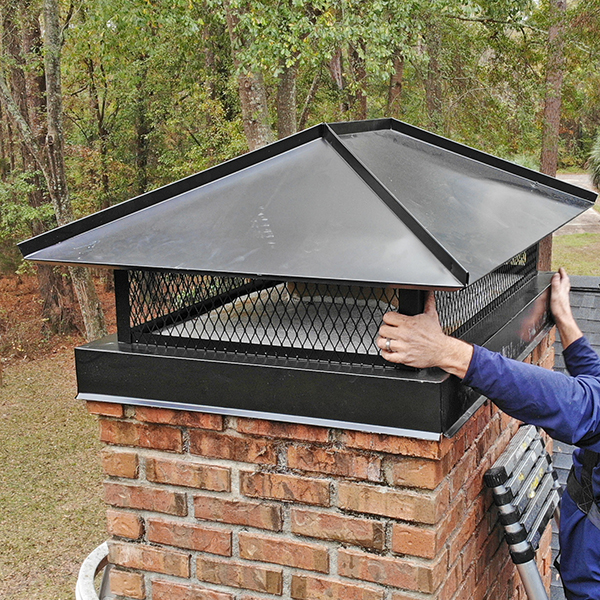 What is a Chimney Cap?
A chimney cap is an accessory on top of the chimney. It covers the flue opening while allowing the exhaust to vent into the atmosphere. There are numerous benefits to installing a chimney cap.
One of the biggest reasons for installing a chimney cap is to prevent water intrusion. Water is incredibly destructive to chimneys and can cause extensive damage to interior masonry walls, flue liner, damper, and other components. Water damage can make your fireplace or heating stove unsafe to operate, resulting in expensive repairs. It can also promote mold and bacteria growth, which can be potentially harmful to your health.
The chimney is often the highest point of a home. High winds can blow leaves, twigs, and debris from nearby trees into an exposed flue. Small animals and pests can also climb a chimney as easily as climbing a tree where they can curiously enter the flue. Once inside, they often perish, unable to climb out. Decaying organic matter can cause foul odors and attract pests. It is also a health hazard because when the flue is partially or entirely clogged, it restricts the venting of dangerous gases. Instead of exiting the chimney, smoke and fumes may be forced down the vent, causing smoke, soot, and hot ashes to be pushed out of the fireplace.
A chimney cap also plays an integral role in protecting the chimney liner and extending its useful life. Moisture and debris that get in the chimney through an exposed flue can damage the liner requiring more frequent repairs and early replacement. A damaged chimney liner also increases the risk of fire and exposure to toxic carbon monoxide fumes.
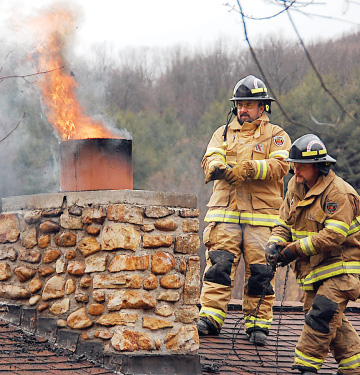
A roaring wood-burning fireplace fire is a stunning sight, but sparks from hot embers flying around the flue can be a fire hazard if it flies out the chimney and lands on the roof or nearby brush. A chimney cap with a spark arrestor will prevent sparks from escaping the chimney, reducing fire risk.
Windy days can be a severe problem for chimneys without a chimney cap. A gust of wind can blow cold air down the chimney causing a dangerous downdraft that forces smoke and exhaust into your living space. Installing a chimney cap will help prevent this and improve the chimney draft for more efficient heating.
Chimney caps are available in a wide variety of styles, sizes, and materials. Since a chimney cap that is the wrong size or incorrectly installed will defeat its purpose, always contact a chimney professional to help you select and install the right chimney cap for your chimney.
For homeowners who love to see a roaring fire burning in an open fireplace, the sad truth is that traditional wood-burning fireplaces do little to add heat to your home. Open-hearth fireplaces send an estimated 90% of the fire’s heat up your chimney, and lets out your homes heat too. That means that your open-hearth fireplace can actually lower home’s efficiency and increase your home’s heating bills. The good news is you can enjoy a fire — gas or wood burning — in an efficient way that decreases your home’s heating bills and lessens your environmental footprint.
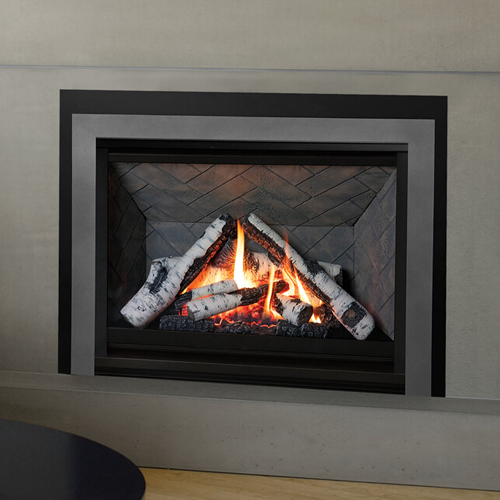 Energy-efficient Gas Fireplaces
When it comes to efficient home heating, gas fireplaces offer the best options. Direct-vent gas fireplaces are closed systems that vent to the outside. One duct pulls cold air from outside to fuel the fire, then the other vent exhausts the fumes and particles generated by the burning fireplace. Direct-vent fireplaces are up to 77% efficient. The most efficient gas fireplace options are ventless fireplaces. These fireplaces burn hot enough that they don’t require outside ventilation, and they keep 99% of the fire’s heat inside. However, these fireplaces do create moisture and other byproducts that can have an impact on your home.
Those who love wood-burning fireplaces don’t have to give up on this traditional fuel altogether. EPA-certified wood-burning fireplaces and inserts utilize blowers and converters to increase the heat output and seal the openings. EPA-certified wood-burning fireplaces, inserts and heating stoves are up to 75% efficient. This makes them nearly as efficient a choice as gas fireplaces and heating stoves!
If you’re looking for energy-efficient fireplace options, Fluesbrothers Chimney Service can help! Our fireplace experts can listen to your home-heating needs and advise you on which type of fireplace or heating stove will best suit you. Talk to us about how important energy efficiency is to you, and we will be able to help you weigh the pros and cons of each type of fireplace and help you find the most energy-efficient choice for your home.
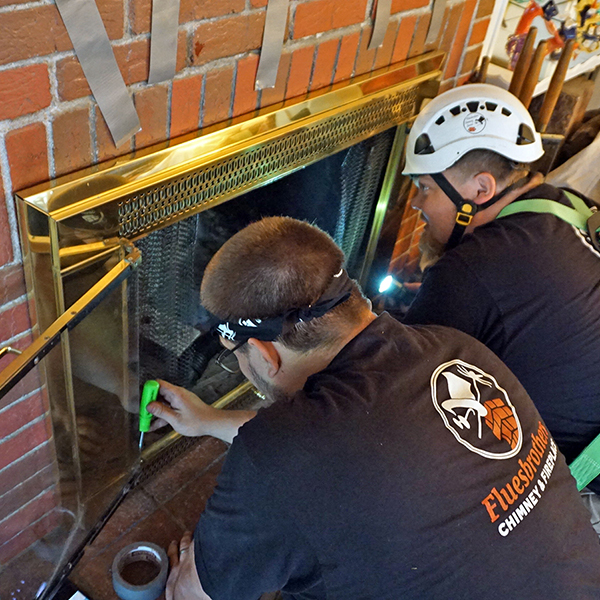 With fireplaces being among the most desirable feature home buyers want, home builders are now offering fireplaces as a standard or optional feature in many new homes. These fireplaces are generally built using builder-grade materials. Builder grade materials are considered medium quality, a step up from economy-grade, the lowest quality on the grading scale. It uses mass-produced, lesser quality materials designed to replicate a custom-made fireplace at a lower price-point for the builder. Many homeowners who have a builder-grade fireplace discover that they will eventually need to upgrade or replace it within a few years.
Builder grade fireplaces are usually constructed using plywood or fiberboard instead of higher quality, more durable wood finishing. The standard quality materials are often mass-produced in a factory and assembled on-site. While builder-grade are the most popular materials in homes today, they lack the durability of semi-custom or custom grade fireplaces that use higher quality materials. As a result, the builder-grade fireplace will need to be replaced within 5 to 10 years, depending on usage.
Most builder-grade fireplaces are built mainly for aesthetics, not as a primary heating source. They often lack the performance of a custom fireplace due mostly to the lower quality combustible materials in its construction. On cold days you may find that you’re using central heating more often than you would like. Therefore, you will notice an increase in heating costs.
Homebuyers often have limited design options when purchasing a home with a builder-grade fireplace. Depending on the builder or contractor, you may not have a choice, or you may have to choose among two to three standardized designs that don’t match your taste.
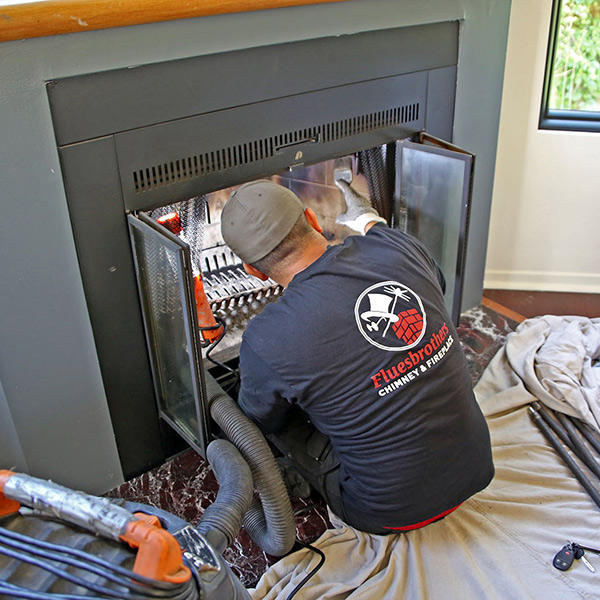 A higher quality fireplace
Whether you are building a new home or installing a new fireplace into an existing home, you don’t have to settle for a builder grade fireplace. Consult with your local hearth dealer to discuss your home heating needs. They will work directly with you or your general contractor to install a higher quality fireplace that is best for your home and budget.
When working with your local hearth dealer to install a fireplace into a new or existing home, you will be able to choose a fireplace that will suit your taste and complement your home décor. You will also have the option of selecting the type of fireplace, such as traditional masonry, fireplace insert, or prefab, for example. Instead of being limited to a single fuel source, choosing your fireplace gives you the freedom to decide if you prefer a wood-burning or gas fuel experience.
Rather than limiting your option to a builder grade fireplace, choose a higher quality, longer-lasting fireplace for your home. You will enjoy a top-performing, more energy-efficient fire-burning experience that will warm your home for years to come.
Now that winter is here; firewood displays are a common sight in retailers and big box stores. It’s easy to buy. Just drive in, load up and drive away. But the wood selection varies depending on the region of the country. So how do you know if you are getting the best firewood for your fireplace or wood stove? Here is our guide for selecting the best fuel for cleaner-burning and longer-lasting fires.
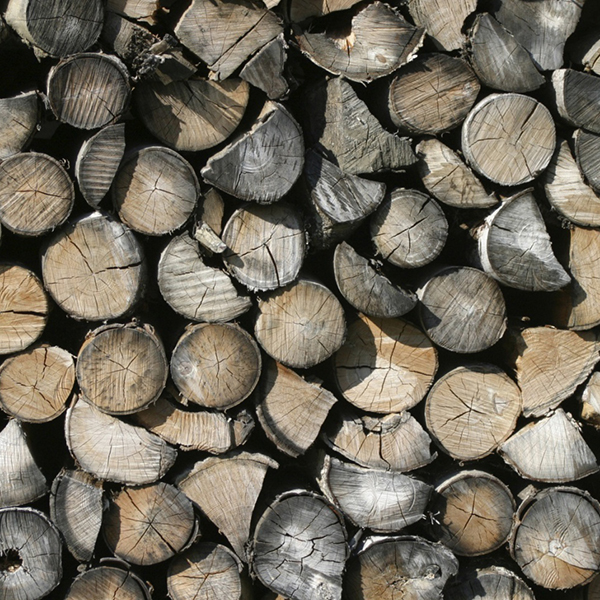 When a tree is freshly cut, the wood contains a lot of moisture – up to 45 percent, according to the Chimney Safety Institute of America (CSIA). And it’s this moisture content that creates more smoke and creosote while also lowering the temperature of the fire. It’s like throwing water on the fire. You not only will need to burn more wood to keep the fire going, but it will also create a dirtier fireplace or wood stove with more creosote, soot, and ash.
On the other hand, seasoned or dry wood has much less moisture, about 25 percent or less. Since you are burning wood rather than water, the fire will burn hotter for a longer time.
You will also have a cleaner-burning fire and use less wood fuel. So, look for wood that has been seasoned (dried) for at least six months or more. The drier, the better.
When picking out the best firewood for your fireplace or wood stove, get up close to the stack and inspect the ends first. You want to look for signs of dryness like cracking or warping. The wood should also appear faded and dull. Also, there should be very little bark remaining, if at all. And any remaining bark should easily peel off. Wood that has been split open should feel dry to the touch. If it doesn’t move on, it still has too much moisture.
You can also invest in a water moisture meter. A water moisture meter is a handy device that measures the water content without damaging the logs. It’s a quick and easy way to detect which logs have the lowest moisture content.
Firewood is commonly sold by the cord, i.e., a full cord, ¼ cord, 1/3 cord, and so on. A cord of wood equates to 128 cubic feet. You measure cubic feet by multiplying the length, height, and depth of the firewood. Thus, a stack of wood that is 4 feet tall x 4 feet deep x 8 feet high is a full cord.
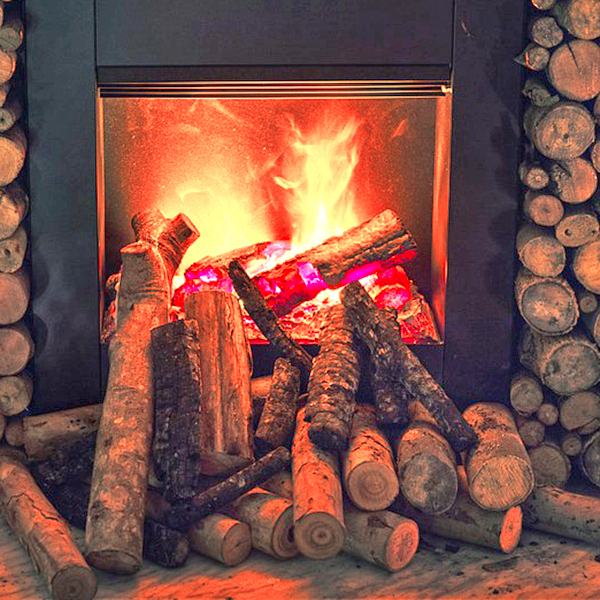 When storing firewood, it should be stacked off the ground and in a dry, ventilated space, like a shed or garage. If you must store wood outside, cover it to prevent exposure to rain and pests, which can cause rotting.
You can regulate the heat of your wood-burning fireplace or stove by selecting the type of wood. Hardwoods are denser and burn hotter. While softwoods burn faster at lower temperatures.
Hardwoods
Softwoods
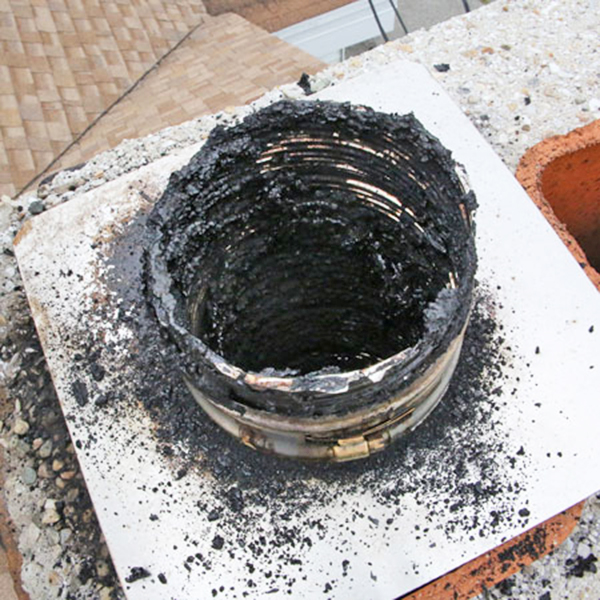 If you use a wood-burning fireplace, beautiful fires should be expected every time you fire up. So should the production of creosote. You can’t burn wood without creating at least some of this flammable smoke byproduct, but you can keep creosote buildup inside your chimney at minimum levels.
Creosote is produced when smoke condenses in your flue. The result is a substance that can be flakey, sticky or hard. Regardless the form, creosote is highly flammable and is responsible for most chimney fires in the U.S. each year.
The nonprofit National Fire Protection Association, founded in 1896, recommends annual professional inspection and chimney sweep services to deal with the problem of creosote. So does virtually every other fire-safety organization in America.
Not all chimney fires are big, obvious, blazing spectacles. Many are relatively small and start and go out on their own. But any chimney fire can cause damage to the chimney liner and the chimney masonry. When damage begins, it’s not long before the intense heat of fires can reach combustible materials of your home’s interior.
Chimney fires aren’t always visible, but they are detectible:
Excess thick black smoke from either end of the chimney
A rumbling sound similar to a far-away train
An odd ticking or clicking sound
If you notice any of these while burning a fire, call local emergency services and extinguish the fire in the firebox, if safe to do so.
The more smoke, the more creosote. The damper the wood, the more smoke. You can reduce the amount of creosote your chimney collects by burning only dry (seasoned) wood, which burns more efficiently and produces much less smoke.
When buying firewood, look for these characteristics:
Flakey bark as opposed to bark that clings to the logs
An empty, hollow sound when two logs are struck together
Light-feeling logs (means they contain minimal moisture)
A dark color to the wood
Ends of logs that are split and cracked
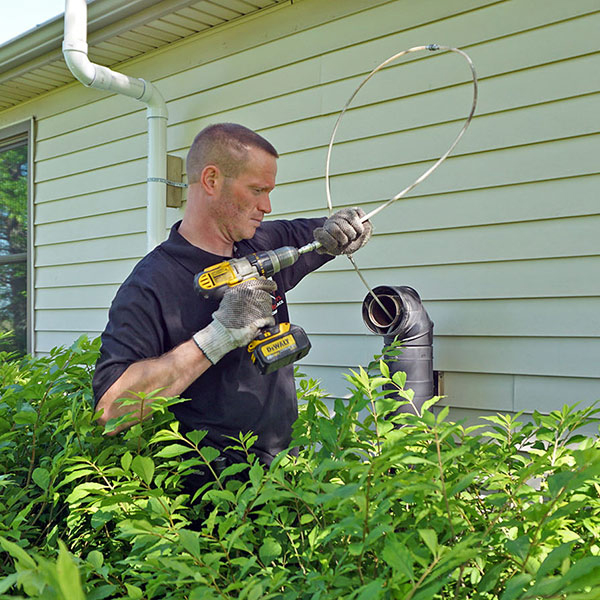 “Chimney sweep” is the common name for people who clean chimneys. The best chimney sweeps hold professional industry certifications such as Master Chimney Sweep and Certified Chimney Sweep, designations given by the Chimney Safety Institute of America. Always look for industry credentials when hiring someone to clean your chimney.
Skilled chimney sweeps have specialized tools including hand and power brushes, scrapers, solvents and vacuums that allow them to thoroughly clean creosote and obstructions out of your chimney flue.
By scheduling annual chimney cleaning and inspection services, you’ll be able to significantly reduce the level of creosote and various obstruction-causing debris inside your chimney. Burning dry, less-smoky wood and having your chimney serviced regularly will keep your chimney safer and more reliable all year long.
Fluesbrothers Chimney & Fireplace of Kansas City, KS, is ready to help with all your fireplace, chimney and heating stove needs. We offer certified chimney sweep services as well as chimney inspection, chimney repair and chimney rebuilding. Call us at (913) 236-7141 when you want the job done properly by professionals you can trust.
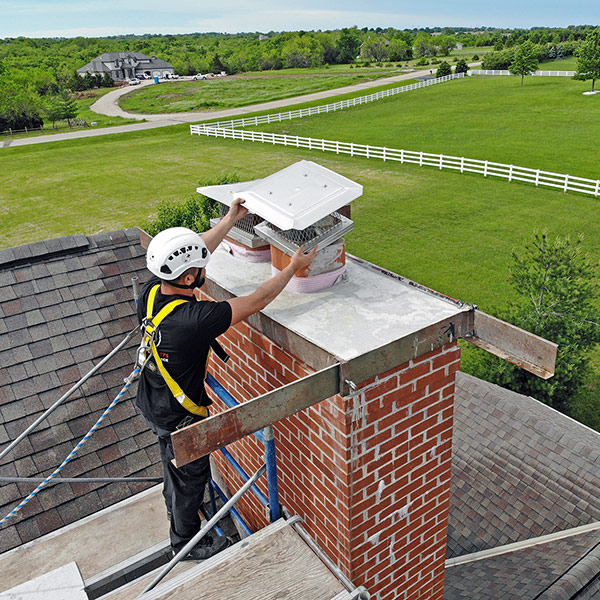 You wouldn’t go out in the rain without an umbrella, would you? Okay, maybe you would – but your chimney should never be out in the elements without its own umbrella, better known as a chimney cap. Usually made of copper or steel, chimney caps sit atop the chimney opening and perform a number of really important functions, all geared to keeping the chimney running safely and efficiently. Let’s look at five good reasons to have a chimney cap.
Ask any professional chimney technician what the #1 enemy to chimneys is, and he or she will tell you: water. Water from rain and melting snow can wreak havoc with bricks and mortar as well as many chimney components. Rusting, rotting, decay, destruction – all are possible when water is not held in check.
A chimney cap, likened to an umbrella above, is the perfect water shield for the opening of your chimney. Without a proper cap in place, a clear path is available for water to do its damage.
It would be nice if you could reason with small animals and simply tell them to stay out of your chimney. But since you can’t, the next best thing is to have a chimney cap that prevents them from infiltrating the flue and setting up shop.
Squirrels, bats, snakes, racoons, rodents, birds and other smaller animals consider chimneys a safe place to live, and some of them build nests in there for their offspring. Animals often die in chimneys and create a horrible smell. Others may actually scurry (or slither or fly) down into your home. Put an end to this with a good chimney cap.
Speaking of critter nests, it doesn’t take many to start creating a significant obstruction to the drafting of smoke and toxins when you use your fireplace. And speaking of small dead animals, these also serve as obstructions.
Smoke that can’t draft properly can come back into the home and carry with it many toxins including dangerous carbon monoxide. Keep obstructions from blocking the draft with a new chimney cap.
What’s happening at the top of your chimney when you’re burning a roaring fire in your fireplace? If you’re like most people, your answer is, I have no idea. And that’s the problem. Fiery embers can shoot out of the flue opening and land on the roof without you even knowing it.
House fires can start this way. More aggressive embers can land in the yard and on flammable objects. A chimney cap will block this activity and let you enjoy your fires with peace of mind.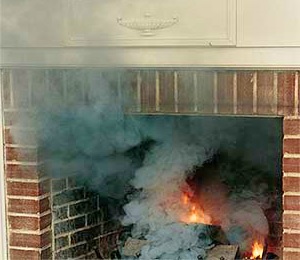
Depending on how the wind is blowing, it can blow right into a chimney and blow smoke, hot embers, soot and ashes all over your room. Downdrafts are a serious problem.
It’s impossible to stop the wind from blowing – and you really wouldn’t want to if you could. What you do want to do is keep the wind from blowing down your chimney. A well-fitted chimney cap will do just that.
Is it time to get a new, high-quality chimney cap installed on your chimney? Fluesbrothers Chimney Service of Kansas City, KS, can install one quickly and put you on the road to preventing all the above-mentioned problems. Call us today at (913) 236-7141.
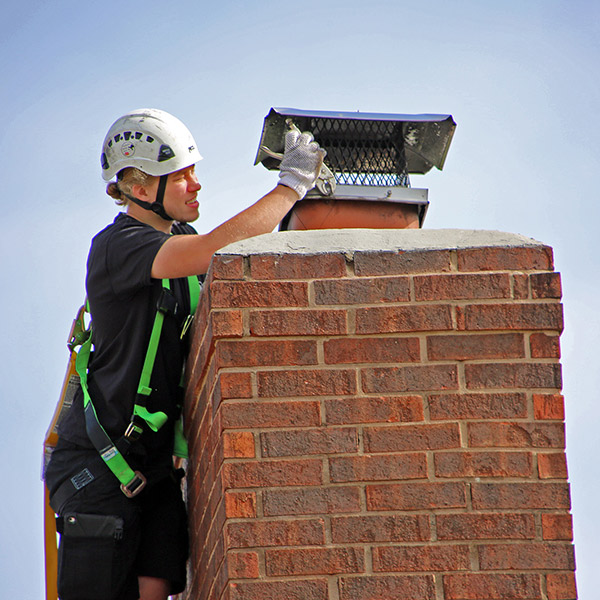 A chimney cap is an essential accessory for every home with a chimney. It plays an important role in protecting your house from water damage and fire. It also prevents critters from nesting in your chimney or getting into your home. While many homeowners are aware of the benefits of a chimney cap, often they do not realize that it is crucial to regularly maintain it between annual chimney inspections. A clogged chimney cap can be a hazard.
Chimney caps have three main functions:
The metal mesh around the sides of the chimney cap is what helps it to perform the last two function. As smoke passes through the mesh, any stray embers from the fire are caught and unable to exit the chimney. The mesh also blocks entrance into the chimney making it impossible for critters to fly or crawl inside. It needs to be regularly maintained because it can easily become clogged or obstructed.
If the metal mesh on the chimney cap is clogged or obstructed, it can prevent your chimney from venting properly. Your fireplace needs an adequate draft of outside air to feed the fire and smoke needs to be able to escape outside. When the metal mesh is blocked or clogged, carbon monoxide in the smoke may be unable to vent outside forcing it back down the chimney and into your home. Exposure to carbon monoxide can be deadly.
There are two common causes of chimney cap obstructions:s
Creosote is a tar-like highly flammable chemical compound that builds up in chimneys. It’s created when the combustion byproducts from a wood fire interact with condensation in the chimney. It builds up inside the chimney flue and chimney cap.
High winds and stormy weather can litter your roof with debris such as twigs, leaves, and trash. This debris can get wrapped around the chimney cap obstructing air from entering and smoke from existing.
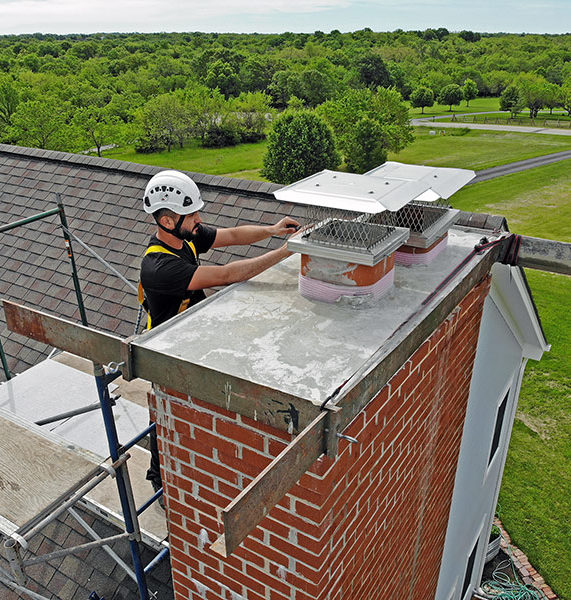 How to Maintain Your Chimney Cap
You can reduce creosote buildup in your chimney and chimney cap by using only dry seasoned wood and building efficient fires. Seasoned wood is any firewood that has had at least six months to dry out since being cut. Unseasoned, or green, wood has a high moisture content which makes it produce thick black smoke that’s filled with combustion byproducts that will produce creosote. Seasoned wood produces fewer combustion byproducts when it burns. Stacking your wood with enough space for air to flow in between the logs is the best way to build an efficient fire. This helps the fire to burn hotter and consume more of the wood which also reduces the amount of combustion byproducts it produces.
Climbing up onto your roof to clean the chimney cap is a hassle. If you don’t have the right training and equipment, you could damage the chimney cap while you are trying to clean it. That’s why we recommend calling on a professional chimney sweep who can expertly clean the chimney cap. It is a small expense that can ensure the safety of your family while you are using your fireplace. It is a good rule of thumb to schedule a chimney cap cleaning after a large storm or if you notice draft problems when you try to ignite your fireplace. Usually, when the chimney cap is clogged, it will be more difficult to start a fire.
Give us a call if your chimney cap needs to be cleaned!
Perhaps nothing can cause shrieks of terror and scurrying outside like a swarming wasp. Even worse is the terror caused by a wasp flying around inside your home. Most people abhor the thought of bees or wasps nesting in their home, and if you have a home with a chimney, your home has an ideal place for wasps looking for nesting ground. At the least, it provides them with an entry portal to your home.
In the best case scenario, you keep wasps from nesting in your chimney and from entering you home through your chimney. So how can this be achieved?
Top-sealing dampers make good sense for a variety of reasons. Chief among them is that top-sealing dampers keep animals, insects, water and debris from entering your chimney. Top-sealing dampers are installed at the top of your chimney’s flue. When they are closed, they form a perfect seal, preventing anything from entering. Of course, when you’re burning a fire and the damper is open, the smoke from your fire will repel wasps, bees and other insects from your chimney.
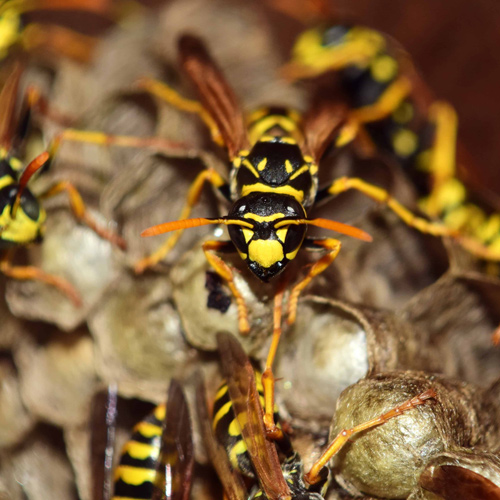 One of the other preventative steps you can take to keep wasps away from your home and chimney is to have the eaves of your home sprayed with an insecticide to kill any wasps and deter them from nesting on or close to your home. This spraying should be done in the early spring, when wasps are beginning to nest for the summer.
During spring when wasps are beginning to build their nests, be on the lookout. Check the sides of your home for signs that nests are being constructed. You should be able to safely spray a small nest with an insecticide from the hardware store and knock the nest down before it becomes established.
Most wasps won’t build nests within 200 feet of another wasp nest. Wasp decoys, which can be placed around your home to make wasps think a nest already is in place, can be purchased at home improvement stores.
Wasps need food. Accessible trash cans and bird feeders can be favorite feeding grounds for wasps. Keep them away from your home to avoid attracting wasps.
If you suspect that wasps or bees are nesting in your chimney don’t light a fire. If there is a nest or partial nest in your chimney, the debris can fall onto your chimney’s smoke shelf and be impossible to remove. The nest also can ignite and pose a risk to your chimney.
If you are certain that you have bees or wasps in your chimney, call a professional exterminator to kill the bees or wasps and remove the hive. Make sure you have your chimney swept before your first fire of the fall to make sure that there is no lingering debris.
If you’re concerned about keeping wasps and other pests from entering your home through your chimney, call Fluesbrothers! We can talk to you about the benefits of top-sealing dampers and provide you with advice on keeping your chimney from being an entry point for pests.
It seems like common sense that you would start a fire in a cold fireplace. The cold is the reason you need the fire in the first place. However, you have to take care to preheat your fireplace properly, or you risk filling your home with smoke.
The basic principal that warm air rises keeps the smoke from your fires flowing upward out of your chimney instead of making its way into your home. When your fireplace hasn’t been used and cold air fills your chimney flue — which happens quickly especially if your chimney is on an exterior wall of your home — the dense, cold air can prevent the warm air and smoke from rising out of your fireplace. Gently preheating your flue can keep the smoke flowing in the right direction.
 The easiest and most popular method to preheat your flue is the torch method. Tightly roll newspaper into four or five “torches.” Open your damper and light the torches, one by one, holding them in your fireplace at the bottom of your chimneys flue. By the time the last torch has burned, your flue should be warm enough for your fire. You’ll be able to tell because the smoke from the torch will be drafting properly up the chimney. If you don’t have newspaper on hand, you also can use a blow dryer or fan to direct warm air up your chimney; the air doesn’t have to be hot, just warmer than the freezing air filling your chimney.
In addition to preheating your flue, there are other methods to help you chimney draft properly. Opening a window in the same room as your fireplace by an inch can help draw in cold air to feed your fire and keep the smoke flowing up the chimney. Fires should be built in a metal grate off the floor of your fireplace, and the fire should be built all the way in the back in the firebox. And of course, always use dry, seasoned firewood to make sure that the fire burns hot enough to direct smoke up the chimney. Never close fireplace doors, even partially, as the doors interfere with drafting, and glass doors can crack from the pressure of the fire.
If you follow all of our chimney prep tips and still have problems with smoke flowing backward into your home from your fireplace, give us a call. Improper drafting can indicate a more serious problem, such as a blocked chimney, a dirty chimney or an improperly sized flue. Our chimney experts can inspect your chimney, help you solve any problems and have your chimney drafting properly so you can enjoy your fireplace without the unpleasant smoke.