

Now that winter is here; firewood displays are a common sight in retailers and big box stores. It’s easy to buy. Just drive in, load up and drive away. But the wood selection varies depending on the region of the country. So how do you know if you are getting the best firewood for your fireplace or wood stove? Here is our guide for selecting the best fuel for cleaner-burning and longer-lasting fires.
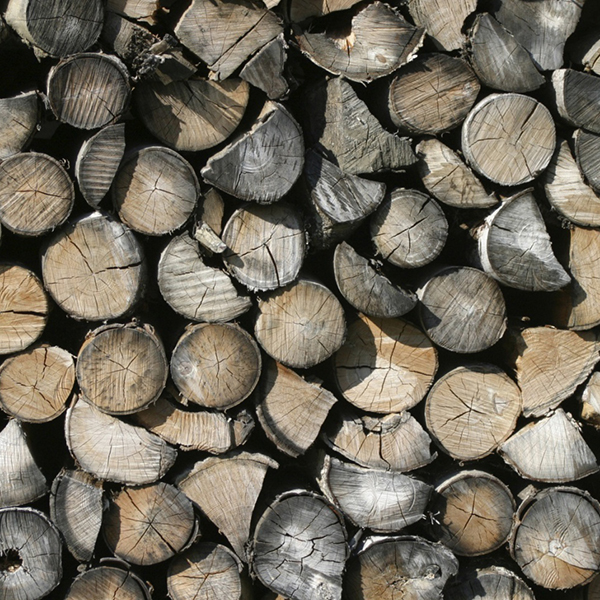 When a tree is freshly cut, the wood contains a lot of moisture – up to 45 percent, according to the Chimney Safety Institute of America (CSIA). And it’s this moisture content that creates more smoke and creosote while also lowering the temperature of the fire. It’s like throwing water on the fire. You not only will need to burn more wood to keep the fire going, but it will also create a dirtier fireplace or wood stove with more creosote, soot, and ash.
On the other hand, seasoned or dry wood has much less moisture, about 25 percent or less. Since you are burning wood rather than water, the fire will burn hotter for a longer time.
You will also have a cleaner-burning fire and use less wood fuel. So, look for wood that has been seasoned (dried) for at least six months or more. The drier, the better.
When picking out the best firewood for your fireplace or wood stove, get up close to the stack and inspect the ends first. You want to look for signs of dryness like cracking or warping. The wood should also appear faded and dull. Also, there should be very little bark remaining, if at all. And any remaining bark should easily peel off. Wood that has been split open should feel dry to the touch. If it doesn’t move on, it still has too much moisture.
You can also invest in a water moisture meter. A water moisture meter is a handy device that measures the water content without damaging the logs. It’s a quick and easy way to detect which logs have the lowest moisture content.
Firewood is commonly sold by the cord, i.e., a full cord, ¼ cord, 1/3 cord, and so on. A cord of wood equates to 128 cubic feet. You measure cubic feet by multiplying the length, height, and depth of the firewood. Thus, a stack of wood that is 4 feet tall x 4 feet deep x 8 feet high is a full cord.
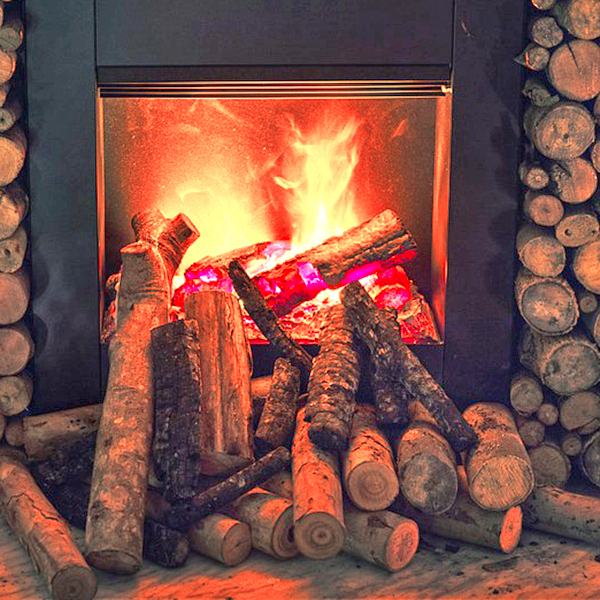 When storing firewood, it should be stacked off the ground and in a dry, ventilated space, like a shed or garage. If you must store wood outside, cover it to prevent exposure to rain and pests, which can cause rotting.
You can regulate the heat of your wood-burning fireplace or stove by selecting the type of wood. Hardwoods are denser and burn hotter. While softwoods burn faster at lower temperatures.
Hardwoods
Softwoods