
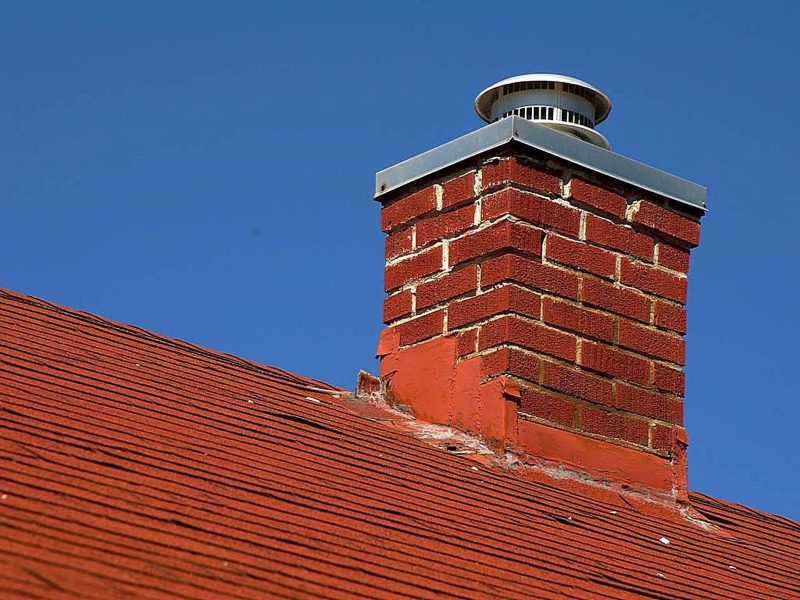
Your chimney is built to withstand heat, rain, snow, and changing temperatures. But even well-built masonry can deteriorate over time. Cracked bricks, crumbling mortar, and pieces of masonry breaking away are more than cosmetic problems—they can be signs that your chimney is allowing moisture to get where it shouldn’t.
For homeowners in Overland Park, Kansas, understanding what causes chimney bricks to deteriorate can help you catch problems before they become expensive repairs. With professional chimney inspections and masonry services from SureGlow Stove and Chimney, you can identify the source of the damage and take steps to protect your home.
The biggest enemy of a masonry chimney is often something surprisingly simple: water.
According to the Chimney Safety Institute of America (CSIA), water can cause more damage to chimneys over time than fire. Masonry is porous, which means brick and mortar can absorb moisture. If water gets into the chimney structure and remains there, repeated exposure can eventually lead to cracking, spalling, crumbling, and structural deterioration.
Several factors can accelerate this process.
Rain and snow can enter a chimney through damaged crowns, deteriorating mortar joints, faulty flashing, missing or damaged chimney caps, and other openings.
Once moisture gets into porous masonry, it can move deeper into the bricks and mortar. Over time, that moisture can weaken the materials and create conditions for more serious damage.
SureGlow Stove and Chimney notes that masonry can absorb rainwater, snow, and atmospheric moisture. As the moisture moves into the masonry, it can contribute to cracking and crumbling.
Kansas weather can put masonry through repeated cycles of freezing and thawing.
When moisture is absorbed into porous masonry and temperatures fall below freezing, the water can freeze. Repeated freeze-thaw exposure can contribute to deterioration, particularly when the masonry is already vulnerable, or water is entering through existing defects.
Over time, the surface of a brick may begin to spall, meaning the face of the brick flakes, chips, or breaks away. Mortar joints can also deteriorate, leaving gaps that allow even more moisture to enter.
This can create a cycle:
Moisture enters → temperatures drop → masonry is stressed → cracks develop → more moisture enters → deterioration accelerates.
Sometimes the bricks themselves aren’t the first part of the chimney to fail. Mortar joints can deteriorate faster than the surrounding bricks.
As mortar becomes cracked, soft, or crumbly, water has additional pathways into the chimney. Damaged joints can also compromise the structural integrity of the masonry.
A professional masonry repair technique called tuckpointing can remove deteriorated mortar and replace it with new mortar designed for the application. SureGlow provides masonry repair and mortar-joint restoration as part of its chimney repair services.
The chimney crown sits at the top of a masonry chimney and helps direct water away from the structure.
When the crown cracks or was improperly constructed, water can find its way into the chimney masonry. CSIA recommends repairing or replacing damaged chimney crowns as part of a strategy for preventing water damage.
A damaged crown can therefore create a much larger problem than a simple crack at the top of your chimney.
Your chimney flashing creates a seal between the chimney and roof. If the flashing becomes damaged, improperly installed, or separated from the surrounding materials, rainwater can enter around the base of the chimney.
That moisture may eventually contribute to masonry deterioration as well as water damage inside your home.
If you notice water stains on ceilings or walls near your chimney, don’t assume the problem is simply a roof leak. Your chimney may be part of the problem.
You don’t have to be a masonry expert to recognize potential trouble.
Look for:
Some deterioration can be difficult to see from the ground. That’s one reason professional inspections are important.
SureGlow’s chimney repair services specifically identify deteriorating masonry as a reason to schedule professional evaluation.
A few damaged bricks may not seem urgent. But chimney deterioration tends to progress when the source of the problem isn’t addressed.
Replacing damaged bricks without fixing the moisture problem, for example, may only provide a temporary solution. A complete evaluation should look at the masonry as well as the chimney crown, mortar, flashing, cap, and other areas where water may be entering.
That’s where having an experienced professional on your side can make a difference.
SureGlow Stove and Chimney provides chimney repair and masonry services for homeowners throughout the Greater Kansas City area, including Overland Park. Its masonry repair services include inspection of damaged areas, repair of cracked or deteriorating brick and mortar, tuckpointing, and recommendations designed to help prevent future water damage.
Your chimney plays an important role in safely venting your fireplace or heating appliance, but it also has to withstand Kansas weather year after year.
Moisture, freeze-thaw cycles, deteriorating mortar, damaged crowns, and failing flashing can all contribute to chimney masonry problems. The sooner those issues are identified, the more opportunities you may have to repair the damage before more extensive reconstruction becomes necessary.
If you’ve noticed cracked bricks, crumbling mortar, water stains, or other signs of chimney deterioration, SureGlow Stove and Chimney can help you understand what’s happening and what your options are.
You don’t have to guess whether your chimney is safe. Let SureGlow help you identify the problem, protect your home, and keep your chimney working properly for years to come.